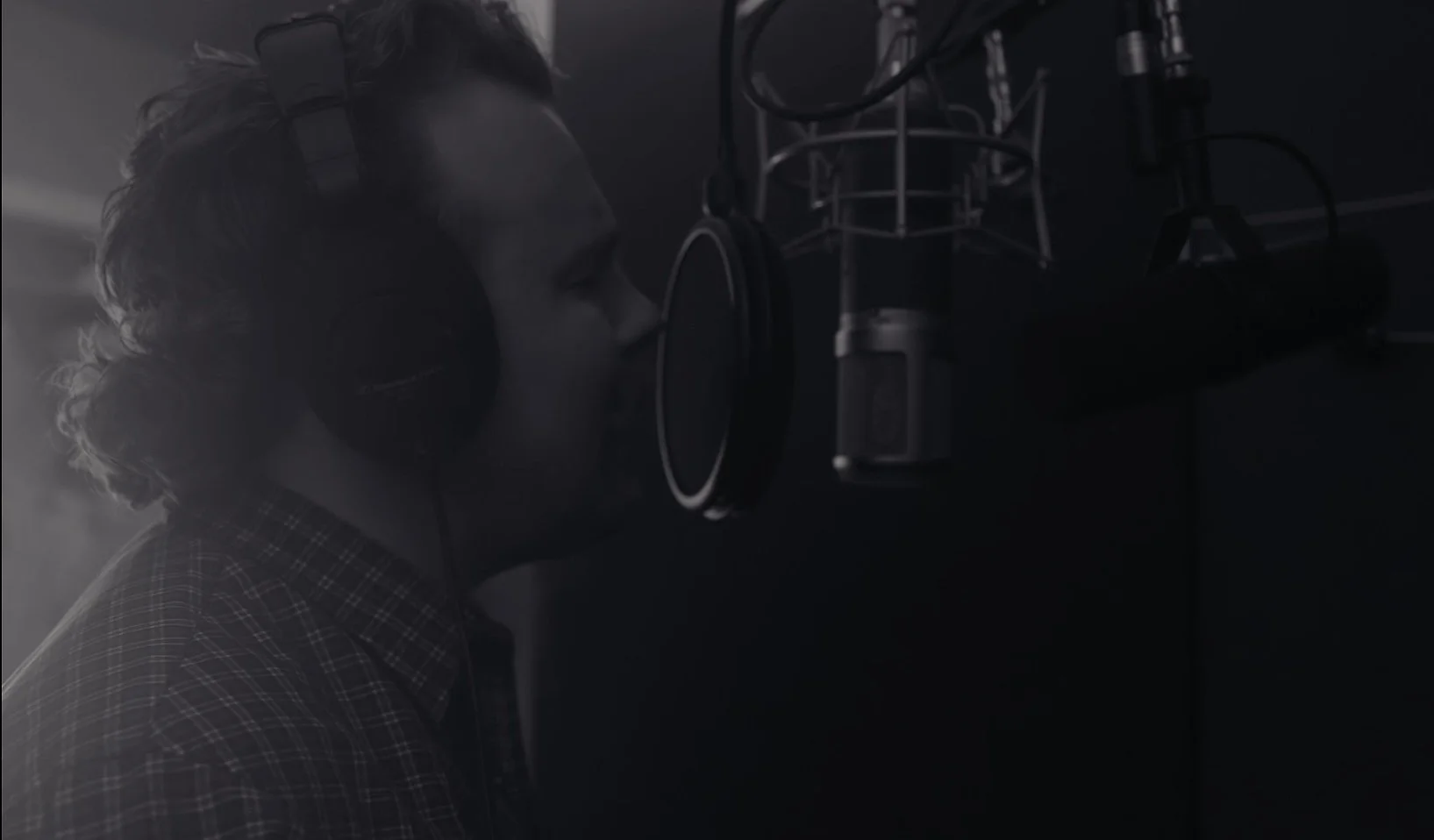
Most singers who come to me are focused on technique. Pitch, range, runs, hitting the big note. That stuff matters, and we work on it. But there's a part of singing that most vocal coaches never really talk about, and it's the part that makes people actually feel something when they hear you.
It's the performance. Not the notes, the story.
TECHNIQUE IS ONLY HALF THE JOB
I hear a lot of technically good singers. Clean pitch, solid control, nice tone. And a lot of the time the take still falls flat, because they're so focused on singing it right that they forget what the song is about.
A listener doesn't care how good your breath support is. They care whether they believe you. If you're singing about heartbreak and it sounds like you're reading a grocery list, the best technique in the world won't save it.
Technique is there to serve the emotion. Not the other way around.
I COACH SINGERS LIKE A DIRECTOR
When I'm working with a singer, I approach it the way a film director works with an actor. Before we worry about the notes, we set the scene.
Where are you? Who are you singing to? What just happened? Who is this character, and how are they feeling right now? Is this a confession at 2 am, or are you yelling at someone across a room?
Once a singer is actually in that space, the performance changes. You stop performing the song and start living it. That's when the vocal comes alive.
MATCH YOUR TONE TO THE FEELING
Every emotion has a sound. If the moment is intimate, the voice should be quieter, softer, maybe a little breathy, like you're right beside the person you're singing to. If the moment is frustration or anger, you need some edge in the voice. Grit. Push.
A lot of singers use one tone for the whole song because that's the tone they've practiced. But a great vocal moves with the story. Your technique is what lets you make those changes on purpose, and do it without hurting your voice.
A SONG THAT WAS MISSING ITS ANGST
I was working with an artist on a cover of Faouzia's "Unethical." The vocal was technically there. But when we got to the end of the song, something was missing. The lyric is full of angst, and the performance wasn't.
So we stopped worrying about the notes and talked about the feeling. What is she angry about? Who is she saying this to? What does it feel like to finally say it out loud? Then we went back in and I coached her through it.
The difference was huge. Same singer, same notes, same song. But now you could feel it, and that's what makes someone hit replay.
TECHNIQUE IN PLAIN LANGUAGE
I'm not against technique. I teach it all the time. What I don't like is the textbook approach, where a singer gets told to engage their diaphragm or lift their soft palate and has no idea what that's supposed to feel like.
Terms like that don't help much unless you can feel them. So I explain technique in plain language and practical feelings you can actually use in the moment. If you can't feel it, you can't repeat it, and if you can't repeat it, it isn't helping you on the mic.
That's also why the technical side improves faster than people expect. One of my artists put it this way:
"I checked out four other studios. Dave didn't push anything on me. He was calm, knowledgeable and answered every question I had. My breath support, stamina and tone have greatly improved. If you're nervous about getting started, don't be. You'll be over the moon that you did."
— Norma Balicki, Artist Development client
READY TO SING WITH MORE THAN YOUR VOICE?
If you've got the notes but your recordings still don't feel the way you want them to, this is usually the missing piece. It's a big part of how I work with singers in our Artist Development program, and it's at the heart of every vocal production session at our recording studio in Calgary.
If you're heading into the studio for the first time, read Your First Time in a Recording Studio: What to Expect. You can find vocal lesson and coaching prices on our rates page.
Questions first? Send us a message.